Rural property buying guide · Almería
Buying Rural Property in Almería: Checks Before You Commit
A practical guide to the records, water, access, buildings and professional checks that can affect a finca, cortijo or rural property purchase.
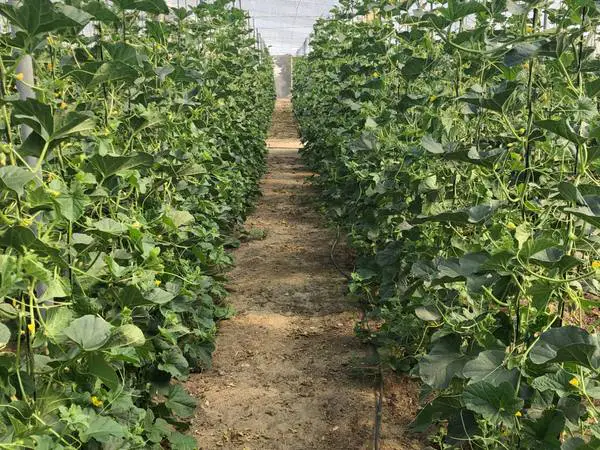
What should you check before buying rural property in Almería?
Before paying a reservation fee or signing a private contract, separate what is physically present from what appears in the Land Registry, Catastro and other relevant records. Clarify the intended use, water, physical and legal access, buildings, utilities and technical condition. Then ask an independent Spanish property lawyer and the appropriate technical professional which points must be verified before you rely on them.
A local practical review can identify facts, inconsistencies and unanswered questions. It cannot confirm legal title, permitted use or technical compliance, and it does not replace legal advice or a survey.
Quick checklist
- Define what you intend to do with the property.
- Compare the physical property with the available records and plans.
- Obtain a current Nota Simple and have it interpreted by an independent lawyer.
- Compare Land Registry information with Catastro without treating either as a standalone guarantee.
- Confirm planning and land-use questions with the appropriate lawyer, authority and technician.
- Identify the water source, supporting evidence and practical condition.
- Treat physical access, legal access, easements and boundaries as separate questions.
- Review utilities and rural infrastructure relevant to the intended use.
- Obtain appropriate technical input on buildings, installations and likely works.
- Ask the buyer’s lawyer what must be resolved or written into the contract before any payment or commitment.
On this page
Start with what you intend to do with the property
The same property can look suitable or unsuitable depending on the buyer’s purpose. Living in an existing house, renovating a cortijo, running an agricultural activity, changing a building or relying on rental income can raise different legal, planning and technical questions.
Write the intended use down before comparing properties. Use it to decide which records, permissions, services and professional opinions matter. Do not treat an advert, a cadastral description or the current physical use as confirmation that your intended use is permitted.
What is physically there, and what is recorded?
Treat the physical property, the Land Registry record, Catastro and any plans or licences as related but distinct sources of information. A useful review compares them rather than assuming that one document answers every question.
The Nota Simple and Land Registry record
A current Nota Simple is an informational extract from the Land Registry. It can identify the registered property, the holder or holders of registered rights, and the nature or limitations of those rights. It may also show registered charges, prohibitions or restrictions.
It is an important starting point, but it is not a technical survey and should not be treated as a complete conclusion about physical condition, planning status, water, access or the buyer’s intended use. Ask an independent Spanish property lawyer to obtain and interpret the appropriate registry information for the transaction.
Source: Colegio de Registradores — Nota Simple
Catastro is useful, but it is not the same record
Catastro is an administrative register under Spain’s Ministry of Finance. Its information describes real estate and can include location, cadastral reference, surface area, use, buildings and cartography. Its function is different from the Land Registry, although the two systems can be coordinated.
Compare the cadastral description and mapping with the physical property and registry information. If there is a mismatch, record it as a question for the lawyer and, where relevant, a surveyor, architect or topographer. Do not treat a cadastral entry by itself as confirmation of planning legality or technical compliance.
Sources: Dirección General del Catastro — What is Catastro? and Catastro–Registro coordination
Buildings, extensions and the intended use
Note every building and installation that matters to the decision: the main house, annexes, stores, terraces, pools, greenhouses, irrigation systems or other structures. Ask which items appear in the available descriptions and plans, which require technical inspection and which planning or legal questions remain open.
A building’s physical presence, cadastral appearance and legal or technical status are not interchangeable conclusions. The relevant lawyer, municipality and technical professional should confirm the points that affect the intended use.
Water: source, evidence and practical availability
Water should be divided into separate questions. What is the physical source? What documents or records support the right or arrangement relied on? What infrastructure is present? What is its visible condition? Is the available arrangement suitable for the intended use?
A well, irrigation connection, storage tank or visible supply does not answer all of those questions by itself. Collect the available documents and bills, identify the relevant authority or irrigation community, and ask the lawyer and appropriate technician to confirm the issues within their respective scopes.
- stated source of water;
- documents, contracts, concessions or community information supplied;
- meters, pumps, tanks, irrigation lines or other infrastructure;
- visible condition and maintenance questions;
- intended domestic or agricultural demand;
- person or authority responsible for formal confirmation.
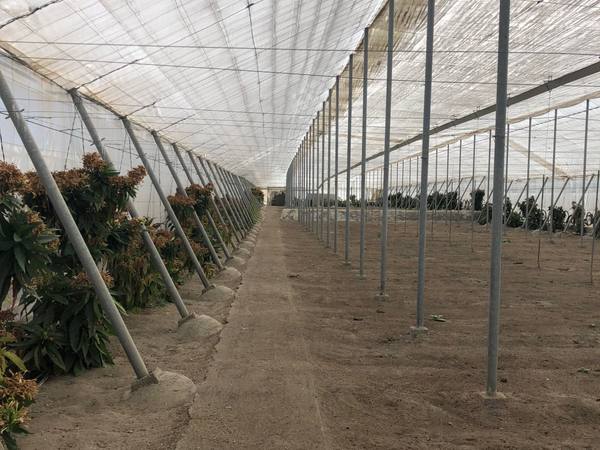
Access, boundaries and easements
A road or track that can be used during a viewing shows physical access at that moment. It does not, by itself, answer who owns the route, which rights are registered, whether an easement exists or whether the route fits the intended use.
Compare the physical route with the available registry and cadastral information. Ask the lawyer to review legal access and easements, and involve a topographer or other technical professional where boundaries, measurements or the route on the ground need specialist attention.
- Where is the physical entrance?
- Does the route cross another property?
- What access rights or easements appear in the records?
- Do the apparent boundaries match the available mapping?
- Is specialist measurement or topographical work needed?
Utilities and rural infrastructure
Confirm which services and installations actually exist and which are merely described in an advert. Depending on the property and intended use, this may include electricity, water systems, drainage or wastewater arrangements, internet or mobile coverage, road condition, irrigation equipment, greenhouses and agricultural storage.
Request the available contracts, bills, certificates, maintenance information and technical documentation. Where capacity, safety, compliance or future works matter, obtain advice from the relevant provider or technical professional.
Condition and realistic cost
The asking price is only one part of the decision. Buildings, roofs, access roads, retaining structures, irrigation systems, greenhouses and other installations may require maintenance, repair or replacement.
Local observations can identify visible issues and questions. They are not a structural survey or formal valuation. Where condition or future works could affect the purchase decision, obtain an appropriate inspection and realistic cost information before relying on an assumption.
Who should check each issue?
| Issue | Lead reviewer |
|---|---|
| Buyer brief, local search and practical observations | Sancho |
| Ownership, title, charges, contracts and legal due diligence | Independent Spanish property lawyer |
| Planning/legal status, legal access and easements | Independent lawyer, with the relevant authority where required |
| Buildings, condition, measurements and installations | Architect, surveyor, topographer or relevant technician |
| Water-related official status or records | Relevant authority or irrigation community, with legal/technical review as appropriate |
| Formal notarial act | The notary handles the notarial act and can clarify the deed impartially; this does not replace the buyer’s independent property-specific advice. |
No single document or participant replaces the complete set of checks appropriate to a specific property and transaction.
Red flags and unresolved questions
A red flag is a reason to investigate or pause, not an automatic legal verdict.
- important statements are only verbal;
- the physical property and available descriptions do not appear to match;
- the water source is visible but the supporting position is unclear;
- access is used in practice but legal access has not been reviewed;
- buildings or extensions lack clear supporting information;
- the intended use has not been confirmed;
- specialist inspection is discouraged or delayed;
- there is pressure to sign or pay before independent advice;
- cost assumptions depend on unverified condition or infrastructure.
Keep a practical decision record
Record the difference between a fact, an assumption and an unanswered question. This makes it easier to brief the appropriate professional and decide what must happen before the next commitment.
On a small screen, scroll the table sideways. Print it to fill in your own details.
| Question | What is known | What is missing | Who verifies it | Before which decision | Impact |
|---|---|---|---|---|---|
| Land Registry, ownership and charges | Independent lawyer | As advised before reservation/private contract | |||
| Catastro and physical match | Lawyer + technical professional as relevant | Before relying on the description | |||
| Intended use and planning | Lawyer/authority/technical professional | Before relying on intended use | |||
| Water source and evidence | Authority/community + lawyer/technician | Before valuing the intended use | |||
| Access, easements and boundaries | Lawyer/topographer as relevant | Before commitment | |||
| Buildings and installations | Technical professional | Before pricing works | |||
| Utilities and infrastructure | Provider/records/technician | Before occupancy or project planning |
How Sancho can help before specialist review
Sancho can help define the buyer brief, review rural properties in their local context, collect available facts and record practical observations about access, water source, visible condition, infrastructure and apparent inconsistencies.
The purpose is to make the next questions clearer, not to replace the buyer’s lawyer or technical professionals. If you are planning a rural property search in Almería, start with the service page and explain the property type and intended use.
Sources
- Spanish government — Property purchase, notaries and Land Registry
- Colegio de Registradores — Nota Simple
- Dirección General del Catastro — FAQs
- Dirección General del Catastro — Catastro–Registro coordination
- GOV.UK — Buying property in Spain — additional orientation for British buyers, not a substitute for Spanish primary sources.
Frequently asked questions
What does a Nota Simple tell a rural property buyer?
A Nota Simple is an informational Land Registry extract. It can identify the registered property, holders of registered rights and the nature or limitations of those rights, including registered charges or restrictions. It should be current and interpreted by the buyer’s independent lawyer; it is not a survey or a complete conclusion about the property.
Why compare the Land Registry and Catastro?
They have different functions. The Land Registry records ownership and other registered real rights, while Catastro is an administrative record describing real estate and its cartography. Comparing them with the physical property can reveal questions that need legal or technical clarification.
Does a Catastro entry prove that a building or use is legal?
Do not treat the cadastral description by itself as a planning or technical conclusion. If a building, extension or intended use matters to the purchase, ask the appropriate lawyer, authority and technical professional to confirm the relevant position.
How should water be checked?
Separate the physical source, supporting documents or arrangements, infrastructure condition and suitability for the intended use. The relevant authority or irrigation community, lawyer and technical professional may each need to confirm different parts of the answer.
Is physical road access enough?
Physical access during a viewing does not by itself answer the legal position, ownership of the route, easements or boundaries. Ask the lawyer to review legal access and involve a technical professional where the route or boundaries need measurement or inspection.
Who checks planning status and permitted use?
Planning and permitted-use questions should be reviewed by the appropriate independent lawyer, municipality or other authority, and technical professional as relevant. Sancho can identify the intended use and practical questions but should not provide the legal conclusion.
Should I pay a reservation deposit before the checks are complete?
Give the proposed reservation document and the known property information to your independent lawyer before signing or paying. The lawyer should advise which checks must be complete, which contractual conditions are needed and what happens if an assumption proves incorrect.
Does the notary replace an independent property lawyer?
No. The notary has an important formal and advisory role, while an independent lawyer can advise on your interests and the checks needed for this property.
Do I need a technical survey for a finca or cortijo?
The appropriate level of technical inspection depends on the buildings, installations, condition, intended use and decisions that depend on them. If physical condition, measurements or future works are material, obtain advice from the relevant architect, surveyor or technician.
Canonical URL: https://sanchocorredor.com/en/guides/buying-rural-property-almeria-checks/
Start with the property brief, not the assumptions
If you are looking for a finca, cortijo, rural house or agricultural land in Almería, describe the intended use and the practical constraints first. Sancho can help structure the search and identify the questions that need independent review.